Asphalt Paving Maintenance Experts
What Is Asphalt Paving Maintenance?
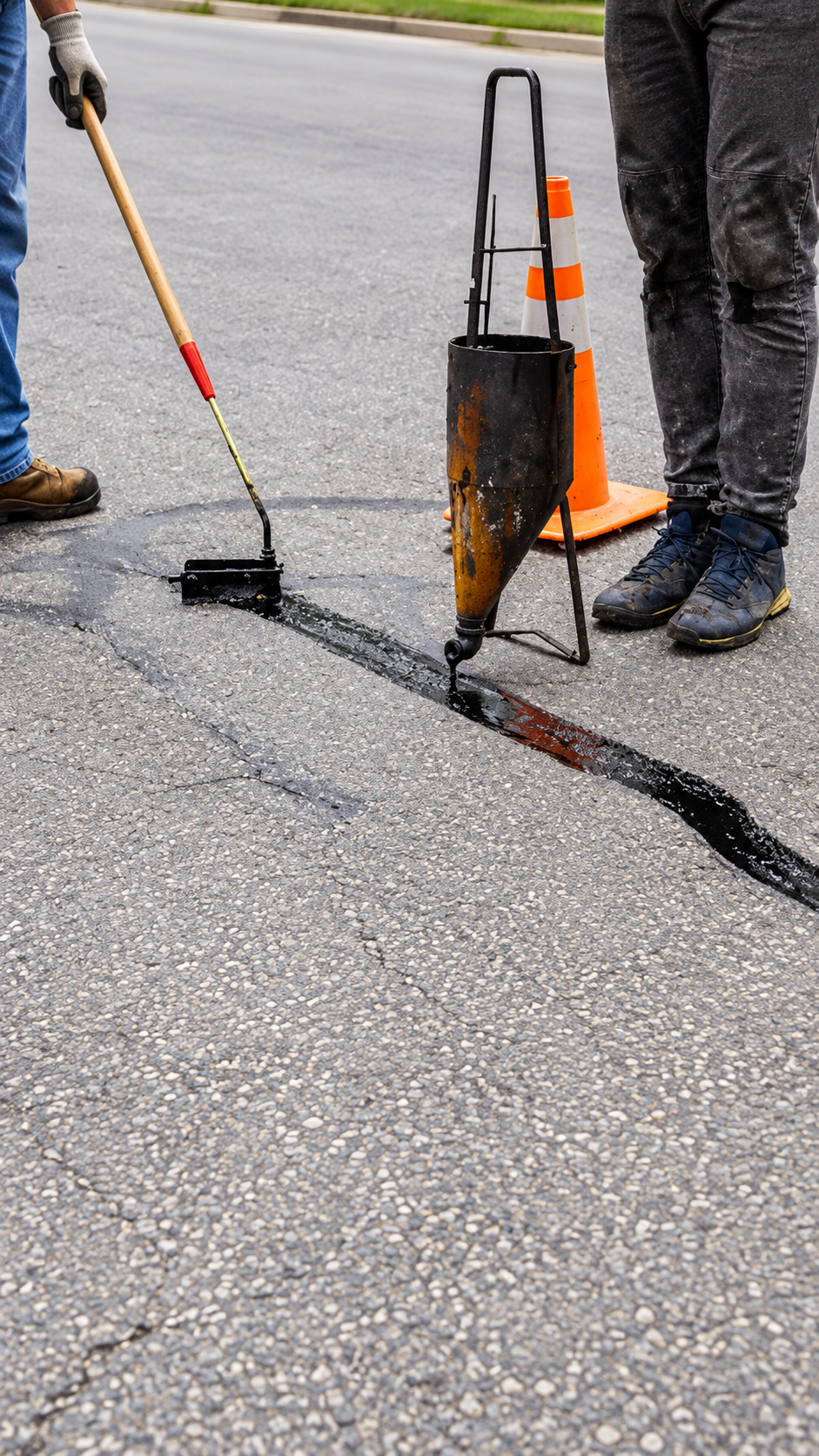
Asphalt paving maintenance is the ongoing care used to keep asphalt surfaces in good condition and extend their service life. It can include crack filling, pothole repair, sealcoating, patching, drainage correction, surface cleaning, and pavement inspections. Regular maintenance helps reduce wear and keeps driveways, roads, and parking lots safer and more attractive.
Over time, asphalt is affected by traffic, sunlight, water, temperature changes, oil, and weather exposure. Small cracks can allow moisture to enter the pavement and weaken the base underneath. Routine asphalt maintenance helps address these issues before they develop into larger and more expensive pavement problems.
A good asphalt maintenance program focuses on prevention as well as repair. By checking the pavement regularly and fixing minor damage early, property owners can improve surface performance, maintain a cleaner appearance, and reduce the need for major resurfacing or full replacement.
When Is Asphalt Paving Maintenance Necessary?
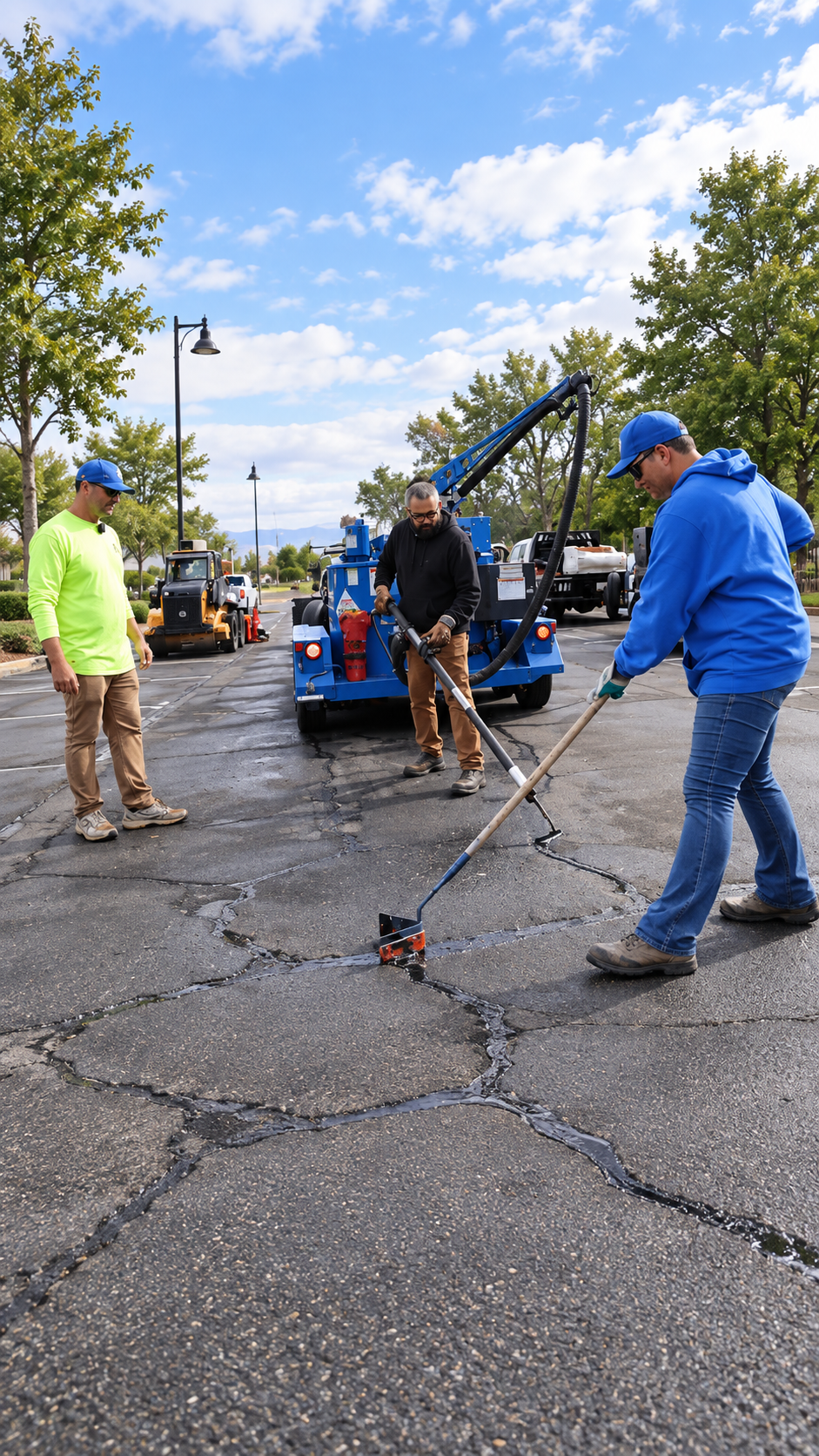
Asphalt paving maintenance is necessary when signs of wear begin to appear, such as small cracks, fading, minor potholes, loose material, or uneven areas. Early maintenance can help prevent these problems from spreading and causing deeper structural damage to the pavement.
Maintenance is also important for older asphalt surfaces that experience regular vehicle traffic or harsh weather conditions. Parking lots, driveways, private roads, and commercial paved areas may need more frequent attention when they are exposed to heavy traffic, standing water, snow removal, or repeated freeze-thaw cycles.
Even pavement that still looks fairly good can benefit from preventive maintenance. Regular inspections, crack sealing, and timely sealcoating or patch repairs can help protect the asphalt surface, improve curb appeal, and extend the time before larger repairs become necessary.
What Is Required For Asphalt Paving Maintenance?
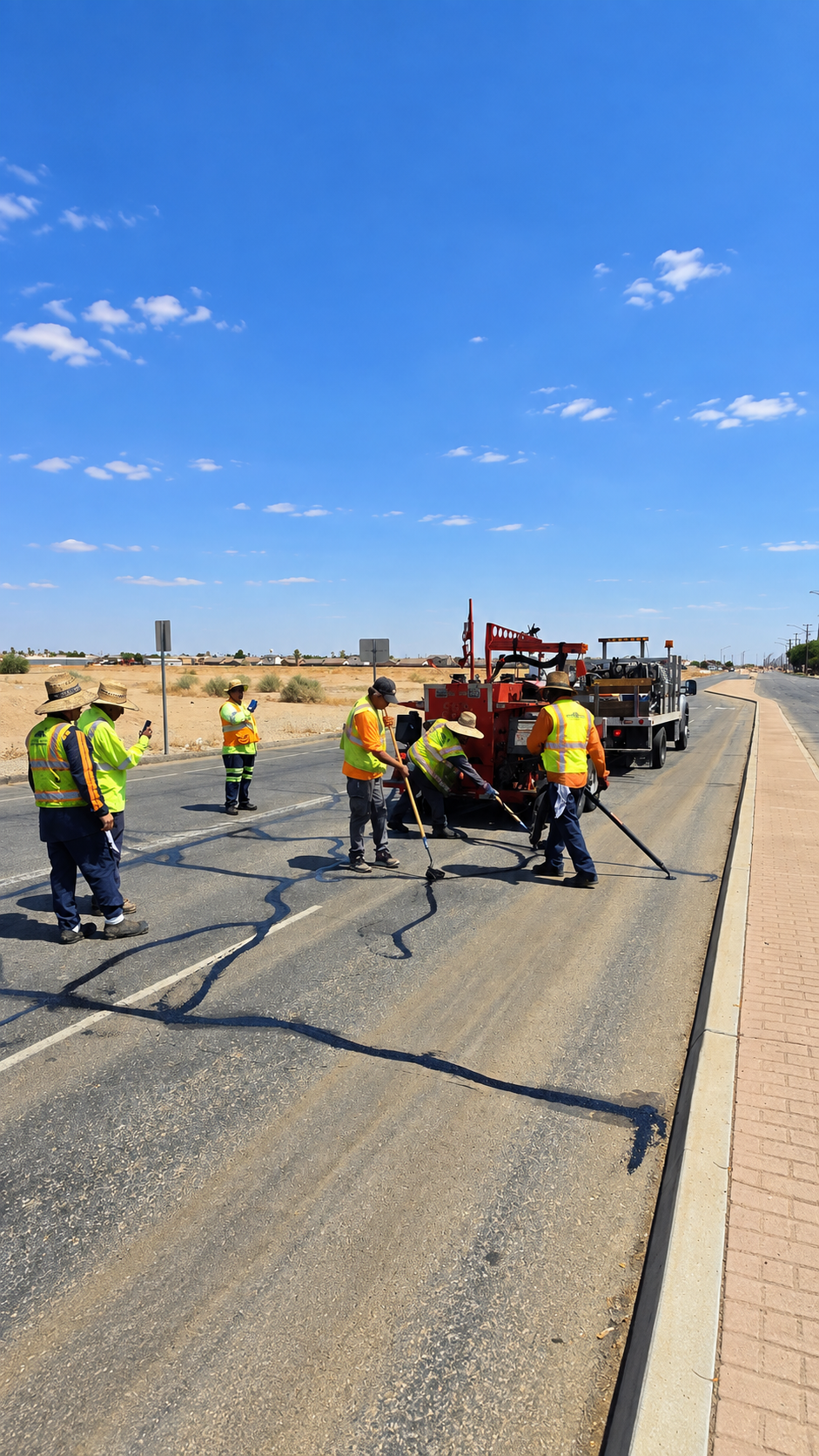
Proper asphalt paving maintenance starts with a detailed inspection of the pavement. The surface should be checked for cracks, potholes, drainage problems, depressions, faded areas, and edge damage. Identifying the type and severity of each issue helps determine the most suitable maintenance method.
The next step is surface preparation and repair. Dirt, debris, and loose material should be removed before crack filling, patching, or sealcoating begins. Damaged sections may need to be cut out and repaired, while smaller cracks can often be sealed to reduce water penetration and further deterioration.
Ongoing maintenance also requires a consistent schedule based on pavement age, traffic, and condition. Combining regular inspections, timely repairs, sealcoating, proper drainage, and surface cleaning can help keep asphalt pavement stronger, safer, and more visually appealing for a longer period of time.
Our Reviews
What Our Customers Have to Say About Us!
Great experience from start to finish. The team did an excellent job on our asphalt paving project, and the finished surface looks smooth, clean, and professionally done.

We hired them for parking lot line striping, and the results were excellent. The lines are bright, straight, and made the entire parking area look much more organized.
Very satisfied with the asphalt repair and sealcoating work. They fixed the damaged areas properly and gave the pavement a fresh, well-maintained appearance.
The Process
3 Step Process For Your Asphalt Paving Maintenance Needs

Contact Us
Start by completing the 'Get a Free Quote' form on our website to share your Asphalt Paving Maintenance needs with us.

Schedule Your Estimate
Next, we'll arrange a property visit at a time that works for you to provide an in-person estimate for your Asphalt Paving Maintenance needs.

Get The Job Done
After you approve our estimate, we'll schedule a date to complete the job. Our team will work hard to exceed your expectations!
Request A Free Asphalt Paving Maintenance Quote
BUSINESS
SERVICES
SERVICE AREAS
OPERATING HOURS
Sun: Closed
Mon: 7:00am - 7:00pm
Tue: 7:00am - 7:00pm
Wed: 7:00am - 7:00pm
Thu: 7:00am - 7:00pm
Fri: 7:00am - 7:00pm
Sat: 7:00am - 7:00pm